Why Slow Travel Is Becoming the Biggest Travel Trend of 2026
Author:Tooba
Trying to pack four cities into a single week used to feel ambitious. In 2026, it mostly feels expensive and exhausting. More travelers are starting to question the value of constant movement, as short stays, frequent transfers, and tightly packed itineraries often end up draining both energy and budget.
This shift is not just about travel style. It is also about practicality. Once you factor in transit time, check-in restrictions, and the small but constant expenses that come with moving around, fast travel often delivers less than it promises.
Why Slow Travel Makes More Sense In 2026
The appeal of slow travel is straightforward. Staying longer in one place tends to create a more relaxed, immersive experience, while also making it easier to manage costs and avoid burnout.
The Hidden Cost Of Constant Moving
A cheap train ticket rarely tells the full story.
One relocation day might look something like this: a $30 to $50 train or flight, another $10 to $15 getting to and from stations, and maybe $10 to $20 on coffee, snacks, or a quick meal because you’re in transit. If your accommodation isn’t ready, luggage storage or early check-in can add a bit more.
None of these feel expensive on their own. But repeat that process three or four times in a single trip, and it’s easy to spend a couple hundred dollars just on moving between places—while also losing half a day each time.
That’s where many travelers start to rethink things. It’s not just the cost, it’s how much time and energy gets burned in between destinations.
Long Stays Unlock Better Rates
Accommodation is where slow travel really starts to make a difference. On platforms like Airbnb, Booking.com, and Vrbo, a one-week stay might cost $110 per night, while a 28-night stay in the same apartment can drop to $70 to $80 per night once the monthly discount kicks in.
In practical terms, that means:
- 7 nights at $110 = $770
- 28 nights at $78 = $2,184
- Average weekly cost on the monthly rate = about $546
That is why long stay travel is no longer just for remote workers. Even regular travelers are realizing that one month in a well-chosen base can cost less than two or three weeks of constant hotel-hopping.

What Slow Travel Actually Looks Like On The Ground
A lot of people like the idea of slow travel, then choose the wrong base and end up feeling isolated. The key is not simply staying longer. It is staying longer in a place that supports normal life.
Choose A Base That Functions Like Real Life
Start with a second city, not the obvious capital. Utrecht often works better than Amsterdam. Bologna can be easier than Florence. Otsu can make more sense than Kyoto. These places are still connected, but rent, food, and everyday life are usually less inflated.
Before you book anything, check for four things on the map:
- A supermarket within a 10 to 12 minute walk
- A train or tram stop nearby
- A laundromat or in-unit washer
- Several everyday food options, not just tourist restaurants
If those basics are missing, the apartment may look cheap but it will cost you more once you arrive.
A Good Kitchen Is Not Optional
If you are serious about slow travel Europe or any longer trip, the kitchen matters more than the décor. A stylish rental with one pan and no prep space pushes you back into restaurant spending three times a day.
Spending an extra $15 a night for a usable kitchen can save $25 to $40 a day on food. That trade-off is usually worth it by the second day.
Sites like Numbeo are useful for checking what groceries, coffee, and casual meals cost before you commit to a base.
How To Plan A Slow Travel Trip Step By Step
Slow travel only feels easy after the setup is done. Here is the most workable way to build it.
Step 1: Pick One Region, Not A Whole Country
Do not start by saying you want to “do Italy” or “see Japan.” Pick one region. Northern Italy, the Kansai region, western Germany, southern Portugal. A regional base keeps day trips realistic and prevents you from turning every week into a relocation cycle.
Step 2: Limit Yourself To Two Bases Per Month
For a four-week trip, two bases is usually enough. Stay 12 to 16 nights in each. That gives you enough time to settle in, use local transport properly, and avoid the repeated setup costs of new arrivals.
Step 3: Book The Rental Early
The best monthly vacation rentals go first, especially in summer. If you want a place with a kitchen, washer, strong reviews, and a monthly discount, start looking four to six months ahead. That is where the real savings sit.
Step 4: Use Regional Rail Instead Of Fast Intercity Hopping
This is one of the biggest practical wins. Regional rail passes Europe travelers use are often far better value than booking multiple high-speed tickets. Germany’s Deutschlandticket via Deutsche Bahn is a strong example of how regional transport can cover a huge amount of ground for a relatively low monthly price. Tools like Eurail and Trainline help compare routes and decide when a pass actually beats point-to-point tickets.
Regional trains are slower, but that is often the point. They reach smaller towns, let you make cheap day trips, and reduce the pressure to “get your money’s worth” from a major ticket.
Step 5: Build A Weekly Rhythm
This is how you avoid feeling stuck. Do not improvise every day from scratch. Use a simple weekly pattern:
- 2 sightseeing days
- 2 ordinary local days
- 1 regional day trip
- 1 admin day for laundry, shopping, and reset
- 1 flexible day with nothing booked
That structure keeps the trip from turning into either chaos or boredom.
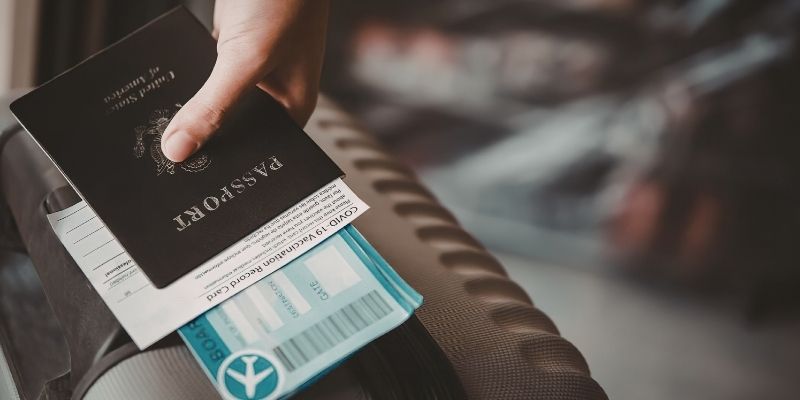
Where To Spend More So The Trip Works Better
Slow travel saves money overall, but some spending makes the entire trip smoother.
Pay For An Easier Arrival
After a long train or flight, pay for the direct ride if needed. Spending $25 to $45 on a taxi from the airport or station to a month-long rental is often smarter than dragging luggage through a new city to save a small amount.
Stay Near Regional Transport
If you plan to use an Europe rail pass or local trains, being near the station matters. A cheaper rental on the far edge of town can turn every day trip into a hassle and quietly add transport costs back into the trip.
Keep Activities Loose At First
Book your base and your transport first. Leave museums, tours, and restaurant reservations mostly open until you arrive. The first few days are for getting your bearings, not forcing a perfect itinerary.
A Smarter Way To Think About The Trend
The reason slow travel is becoming one of the biggest sustainable travel trends is not that people suddenly became more patient. It is that they are tired of paying premium prices for rushed experiences. When you stay longer, you waste less on transport, you eat better, you sleep better, and you actually remember more.
If you want this style of trip to work, lock in the base early, choose one region, use regional rail passes where they make sense, and give yourself a weekly rhythm instead of a daily checklist. That is what turns slow travel from a nice idea into a trip that actually feels good to live through.
Latest News

Why A Dawn Hot Air Balloon Ride Over Cappadocia Is Worth The Money
March 20, 2026
Bilbao vs Madrid: Where You’ll Spend Less on a Summer Vacation
March 8, 2026

How to Travel Overnight in Japan for Under $300 (Trains, Buses & More)
February 16, 2026

Asia Travel Guide: First Time Itineraries That Work
December 8, 2025
Natural Hot Water Springs Worth Visiting Across The US
September 24, 2025
Lost, Delayed, Or Stolen Luggage? Don’t Panic—Follow These Steps
September 14, 2025